The Impact of Food Festivals on Local Economies
Food festivals are becoming increasingly popular across the United States, merging culinary delights with community engagement. Understanding their influence on local economies can illuminate their broader significance.
Understanding the Basics
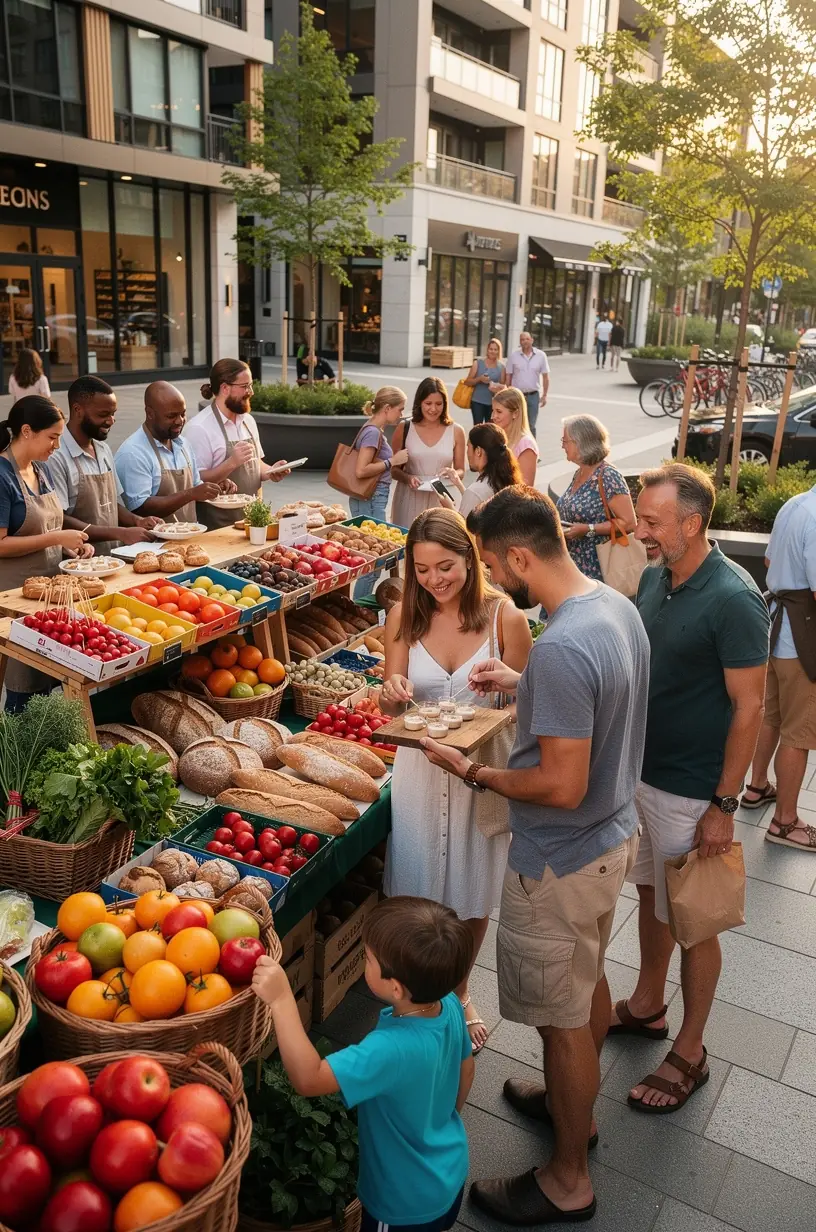
Food festivals typically serve as vibrant gatherings that showcase local cuisine, culture, and community spirit. According to research, they can generate significant economic activity in the regions where they are held. Experts suggest that these events not only attract visitors but also encourage local residents to engage in their community.

"Food festivals can be a catalyst for local economic growth, providing opportunities for small businesses and artisans to flourish."
Revenue Generation and Business Growth
One of the most direct impacts of food festivals is the revenue generated for local businesses. A study from the National Association of State Departments of Agriculture indicates that food festivals can boost local sales by 10-15% during the event. This increase is often attributed to:
- Attracting Tourists: Festivals draw visitors from outside the region, creating a spike in demand for accommodations, food, and entertainment.
- Supporting Local Vendors: Many festivals provide local food producers and artisans a platform to showcase their products, fostering community investment.
- Creating Jobs: Temporary positions are often created to support the festival, contributing to reduced local unemployment rates.
Community Engagement and Social Interaction
Beyond economic benefits, food festivals play a crucial role in community engagement. They often feature activities that encourage social interaction, such as cooking demonstrations, live music, and workshops. This engagement can:
- Strengthen Community Bonds: Residents often participate not only as attendees but also as volunteers or organizers, fostering a sense of belonging.
- Promote Local Culture: Festivals typically celebrate regional culinary traditions, thereby preserving and promoting local heritage.
- Enhance Quality of Life: Engaging in community activities can improve residents' satisfaction and overall quality of life, making cities more attractive places to live.
Challenges and Considerations
While the benefits of food festivals are evident, it is important to acknowledge potential challenges. Organizing a successful festival requires careful planning, funding, and community support. It typically takes several months of preparation, and local governments often need to work closely with organizers to ensure public safety and logistical efficiency. Moreover, the environmental impact of large gatherings should be considered, with many festivals now adopting sustainable practices to mitigate this.
Conclusion
Food festivals are more than just culinary showcases; they are significant contributors to local economies and community cohesion. Research indicates that when planned thoughtfully, these events can generate substantial economic benefits while also fostering social ties. By understanding how food festivals operate and their potential impacts, towns and cities can harness their power to create vibrant, economically stable communities.