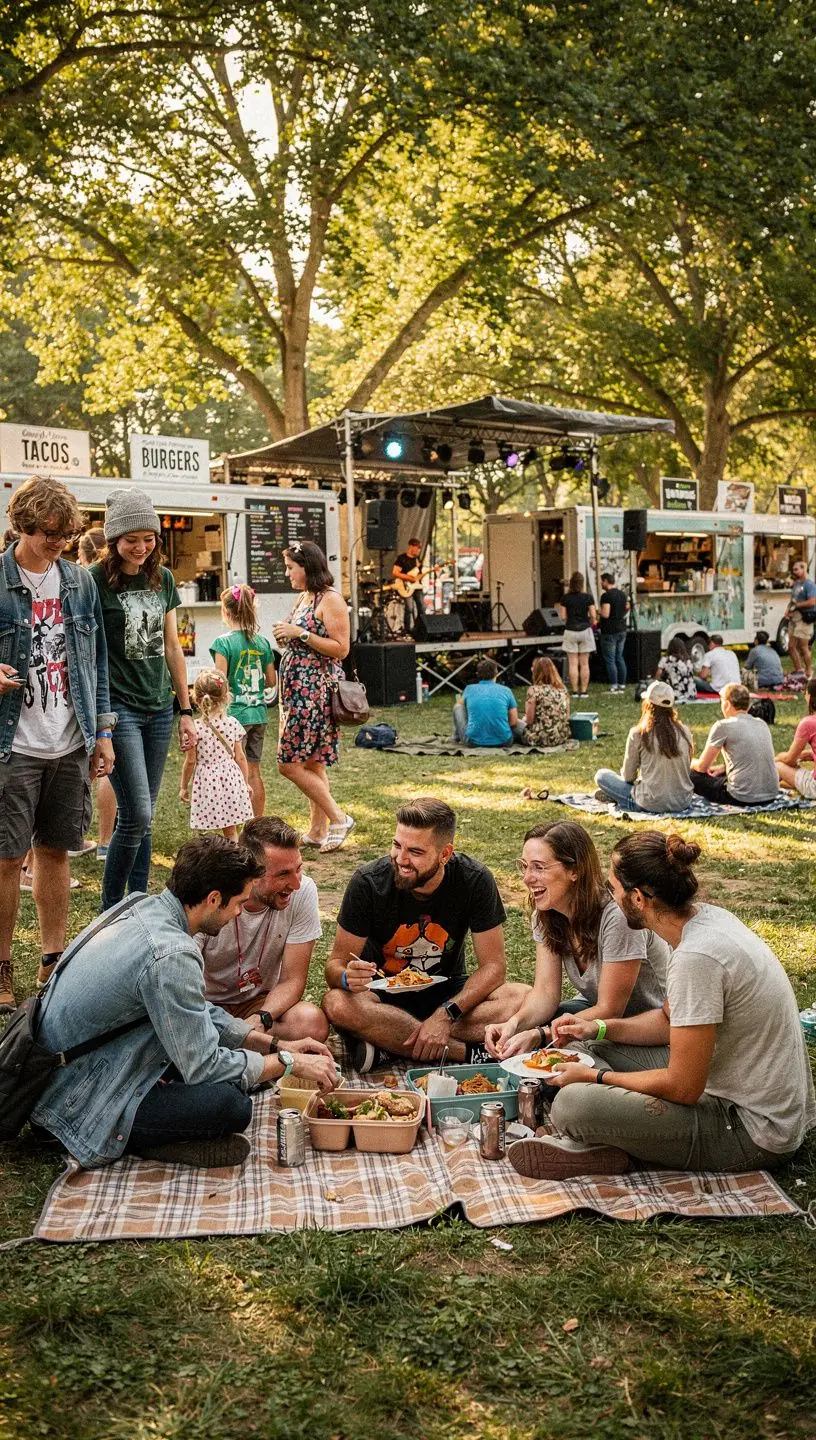
How Live Music Venues Foster Social Interaction
In the bustling landscape of American cities, live music venues serve as vital hubs for social interaction and community engagement. These spaces not only host performances but also cultivate connections among diverse groups of people. Understanding how these venues facilitate socialization can enhance our appreciation of their role in urban life.
Understanding the Basics of Live Music Venues
Live music venues vary widely, from intimate coffee shops to large concert halls. According to industry research, these venues typically attract audiences who share a common interest in music, providing a foundation for social interaction. Many users report that attending live performances can lead to spontaneous conversations and new friendships, enhancing a sense of belonging within the community.
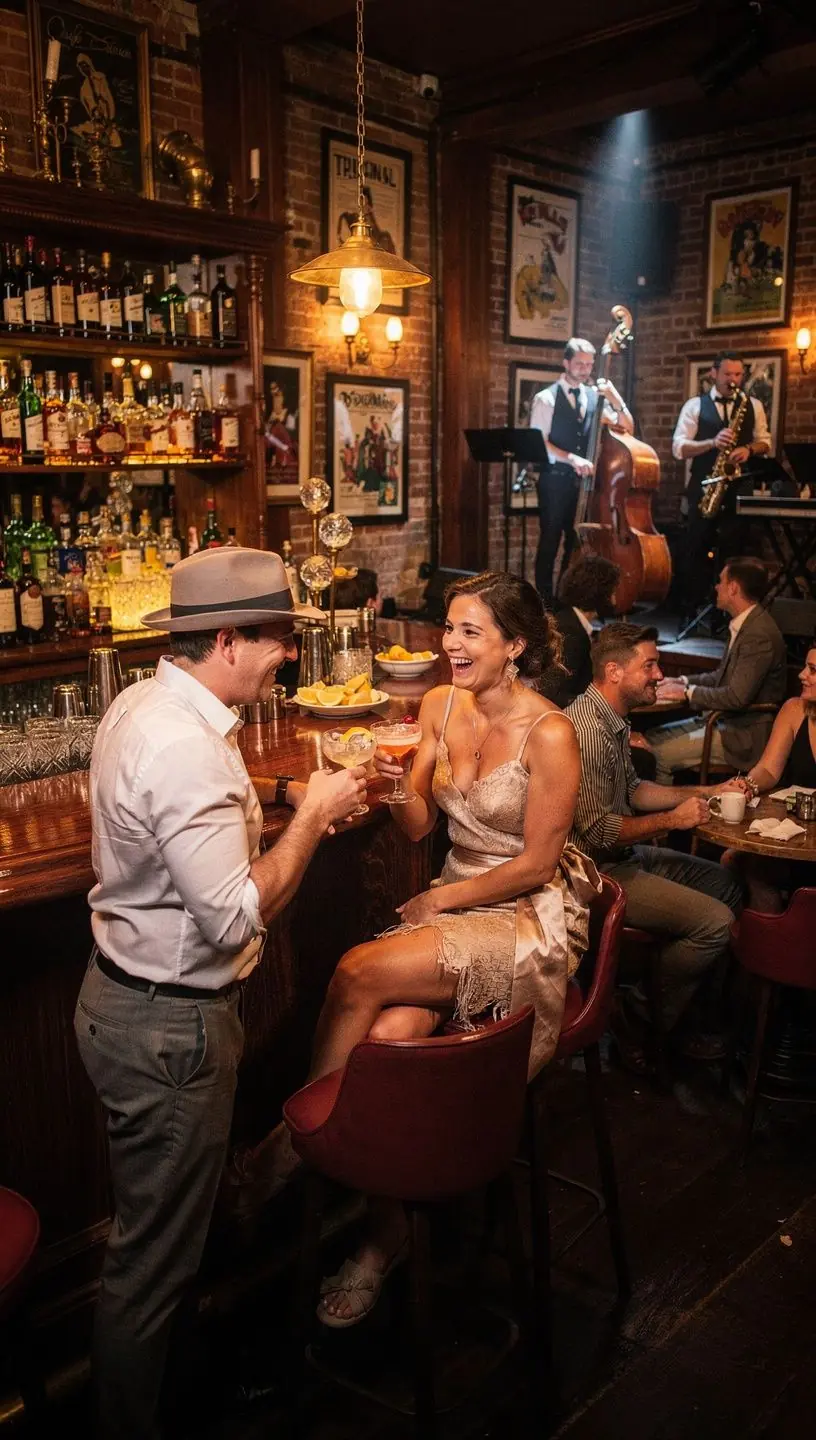
"Live music acts as a social glue, bringing together individuals who might not otherwise meet." - Music Industry Expert
The Psychology of Live Music and Community
Participating in live music events can evoke shared emotional experiences. Studies show that music has the unique ability to unite people, creating a communal atmosphere. The principle behind this is rooted in the psychological effects of music, which can promote feelings of happiness and connection among attendees. This emotional engagement typically fosters conversations and interactions among audience members, leading to a more vibrant social environment.
Practical Applications of Live Music Venues for Social Interaction
- Networking Opportunities: Many live music events are designed to foster networking. Attendees often find common ground through shared musical tastes, leading to meaningful conversations.
- Community Building: Venues frequently host themed nights or local artist showcases, encouraging the community to come together and support local talent. This approach typically requires minimal commitment, making it accessible for most individuals.
- Inclusivity and Diversity: Live music venues often embrace diversity, featuring a range of genres and artists from various backgrounds. This inclusivity promotes a welcoming atmosphere, which can significantly enhance social interactions among attendees.
Conclusion: The Lasting Impact of Live Music Venues
In summary, live music venues play a crucial role in fostering social interaction within communities. They serve as gathering spots that encourage connections among individuals through shared experiences. While the extent of socialization may vary, many attendees find that these venues provide unique opportunities to meet others, enjoy music, and participate in their local culture. Understanding this dynamic can help us appreciate the broader impact of live music on urban life and social well-being.